

How to Understand Retirement Risk Without Feeling Afraid
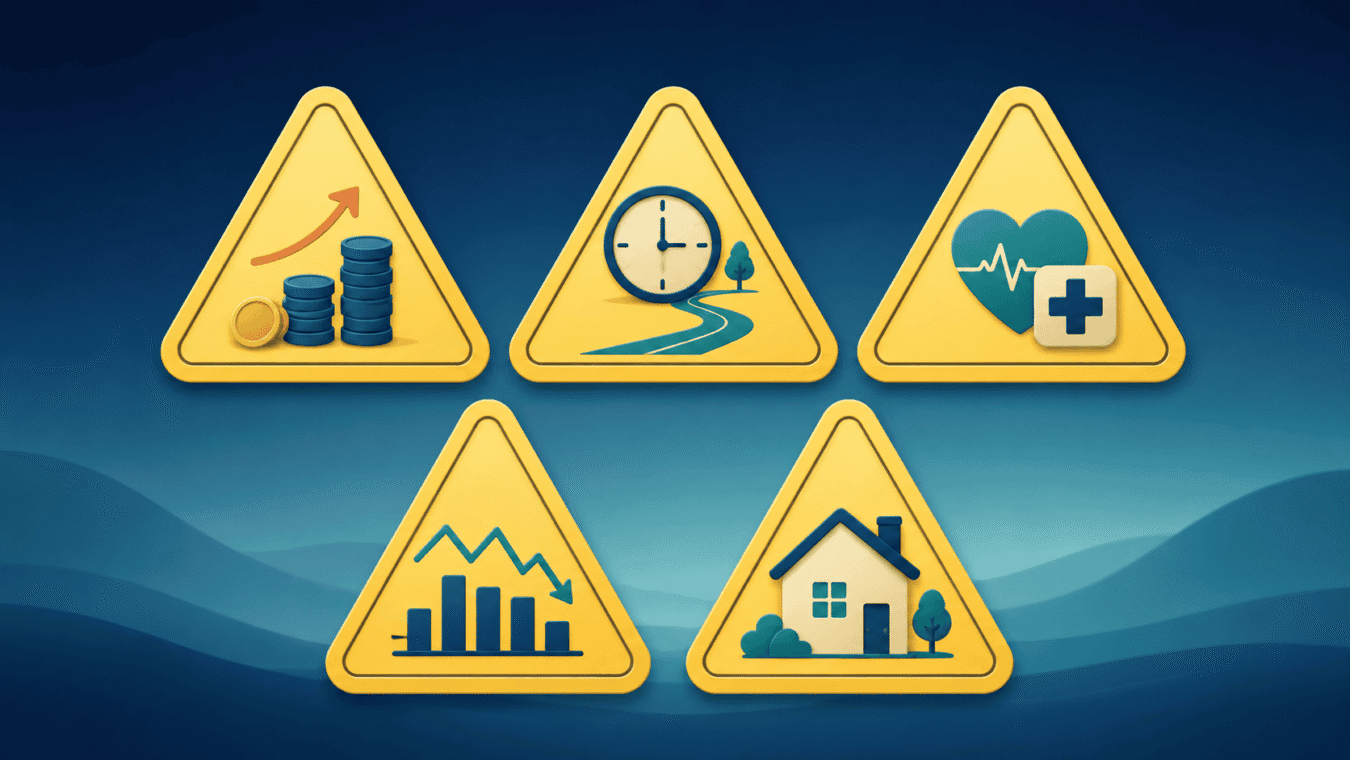
Retirement risk can sound like a frightening topic.
Many people hear the word “risk” and immediately think about losing money, getting sick, running out of savings, or making a mistake they cannot fix. That fear can make some retirees avoid the subject completely.
But avoiding risk does not make it disappear.
Understanding risk gives you more control.
Retirement risk is not about expecting the worst. It is about knowing what could affect your income, healthcare, housing, savings, and family so you can plan with clarity instead of panic.
When risk is explained simply, it becomes easier to manage.
What Does Retirement Risk Really Mean?
Retirement risk means anything that could affect your financial stability, independence, or peace of mind during retirement.
It may involve money, but it can also involve health, housing, family, inflation, fraud, or unexpected expenses.
Common retirement risks include:
- Outliving savings
- Rising healthcare costs
- Inflation
- Market changes
- Housing costs
- Unexpected repairs
- Depending too much on one income source
- Losing a spouse’s income
- Fraud or scams
- Helping family beyond what is affordable
- Delaying important decisions
Risk does not mean something bad will definitely happen.
It means something is possible — and worth reviewing before it becomes urgent.
Risk Is Not the Same as Danger
One reason people feel afraid is because they think risk means immediate danger.
But risk is usually a signal.
It tells you where your plan may need more attention.
For example:
- If most of your income comes from one source, you may need to understand what happens if that income changes.
- If healthcare costs are increasing, you may need to review insurance, prescriptions, and out-of-pocket expenses.
- If your home is becoming harder to maintain, you may need to think about repairs, safety, or future housing options.
- If you are using savings every month, you may need to review cash flow.
Risk is not there to scare you.
It is there to help you prepare.
Start With Income Risk
Income risk means your monthly retirement income may not be enough, may change over time, or may not keep up with expenses.
Review your income sources:
- Social Security
- Pension income
- Retirement account withdrawals
- Annuity income
- Rental income
- Part-time work
- Other recurring income
Ask yourself:
- Which income sources are reliable?
- Which income sources could change?
- Does any income stop when one spouse passes away?
- Am I using savings faster than expected?
- Do I know when each payment arrives?
- Does my income cover essential expenses?
Understanding income risk helps you build a more stable monthly plan.
Review Healthcare Risk
Healthcare is one of the most important areas to review after 65.
Even with Medicare, retirees may still face costs such as:
- Premiums
- Copays
- Deductibles
- Prescriptions
- Dental care
- Vision care
- Hearing needs
- Transportation to appointments
- Home care support
- Home safety updates
Healthcare risk is not only about illness.
It is also about whether your retirement income can handle changing health costs over time.
A simple yearly healthcare review can help you notice changes before they become stressful.
Understand Inflation Risk
Inflation means prices rise over time.
Even if your income stays the same, your cost of living may increase.
This can affect:
- Groceries
- Utilities
- Insurance
- Rent or property taxes
- Home repairs
- Transportation
- Healthcare
- Prescriptions
Inflation risk can feel invisible because it happens gradually.
That is why it is helpful to review your budget at least once a year and notice where costs are rising.
Small adjustments made early can reduce pressure later.
Think About Housing Risk
Your home is part of your retirement plan.
Housing risk may include:
- Rising property taxes
- Higher insurance costs
- Expensive repairs
- Stairs or unsafe entryways
- Maintenance becoming difficult
- Transportation challenges
- Distance from doctors or family
- Difficulty aging in place safely
Staying in the same home may be the right choice. Moving may also be the right choice.
The important thing is to review the full picture before a housing decision becomes urgent.
Protect Against Fraud and Pressure
Fraud risk is especially important because scammers and high-pressure sellers often target older adults.
Be cautious if someone:
- Pressures you to decide immediately
- Asks for personal information unexpectedly
- Requests your Medicare or Social Security number
- Promises high returns with no risk
- Discourages you from asking family or a trusted person
- Asks for payment in unusual ways
- Makes you feel afraid or rushed
A safe decision allows time for questions.
You have the right to pause, verify, and ask for information in writing.
Do Not Ignore Family and Caregiving Risk
Family can be a source of love and support, but family needs can also affect retirement stability.
Review:
- Whether you are helping family financially
- Whether support is one-time or ongoing
- Whether your spouse or partner is protected
- Whether adult children know your wishes
- Whether emergency contacts are updated
- Whether important documents are organized
- Who would help if your health changed
Family risk does not mean family is a problem.
It means expectations should be clear so loved ones are not left guessing.
How to Look at Risk Without Feeling Overwhelmed
You do not need to solve every risk at once.
Start with simple questions:
- What is most urgent?
- What affects my monthly income?
- What affects my health or safety?
- What affects my spouse or family?
- What can I organize this month?
- What needs professional guidance?
- What can wait, and what should not wait?
Then take one small step.
That might mean reviewing beneficiaries, organizing documents, checking healthcare costs, reviewing a bill, updating contacts, or asking a trusted person for help.
Small steps reduce fear.
Final Thoughts
Understanding retirement risk does not have to feel scary.
Risk simply shows where your plan may need attention: income, healthcare, inflation, housing, fraud protection, savings, family communication, and future care.
When you understand these areas, you can make calmer, more informed decisions.
At EduFuture Foundation, we believe financial education should be simple, respectful, practical, and pressure-free. Our mission is to help older adults and families make informed decisions with dignity, confidence, and peace of mind.
To learn more about our educational programs, seminars, and financial counseling resources, visit edufuturefoundation.org.