

Common Money Mistakes Seniors Can Avoid With Better Information
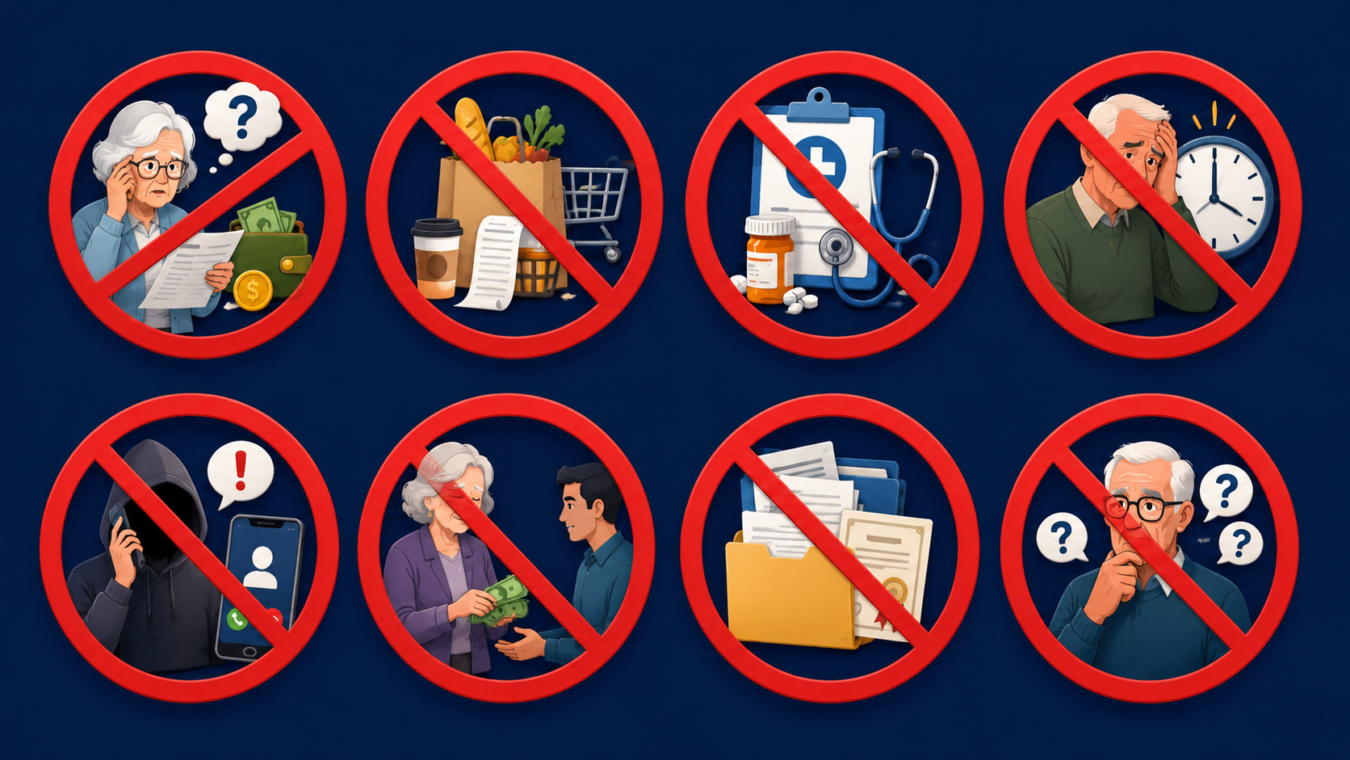
Money mistakes after 65 can feel especially stressful because retirement often leaves less room for trial and error.
You may be living on Social Security, a pension, savings, retirement accounts, or a combination of income sources. You may also be managing healthcare costs, housing decisions, family needs, inflation, and unexpected expenses.
At this stage of life, the goal is not to be perfect with money. The goal is to make informed decisions, avoid unnecessary pressure, and protect your independence.
Many financial mistakes happen not because someone is careless, but because they did not have clear information at the right time.
Mistake 1: Not Knowing Your Monthly Income Clearly
One common mistake is not having a clear picture of monthly income.
Retirement income may come from different places, such as:
- Social Security
- Pension benefits
- Retirement account withdrawals
- Personal savings
- Annuities
- Rental income
- Part-time work
- Other income sources
When income comes from several sources, it can be harder to know what you can truly count on every month.
A helpful question is:
How much reliable income do I receive each month, and how much may change?
This simple question can create more clarity before making bigger decisions.
Mistake 2: Underestimating Everyday Expenses
Many seniors know their major bills, but smaller expenses can add up quickly.
These may include:
- Groceries
- Utilities
- Insurance
- Transportation
- Prescriptions
- Copays
- Home repairs
- Phone and internet
- Gifts or family help
- Personal care
If these costs are not reviewed regularly, it can become difficult to understand where money is going.
A better approach is to separate expenses into two groups:
Essential expenses
These include housing, food, healthcare, transportation, utilities, insurance, and taxes.
Flexible expenses
These include entertainment, dining out, travel, gifts, hobbies, and optional purchases.
Both categories matter, but knowing the difference can help you make better choices.
Mistake 3: Ignoring Healthcare Costs
Healthcare is one of the most important financial topics after 65.
Even with Medicare, there may still be costs such as premiums, deductibles, copays, prescription drugs, dental care, vision care, hearing care, and long-term care needs.
A common mistake is assuming healthcare is fully covered or that costs will stay the same.
Ask yourself:
- What do I pay each month for healthcare?
- Are my prescriptions covered?
- What services are not included?
- Do I need dental, vision, or hearing support?
- What would happen if my health needs increased?
Better healthcare information can help prevent financial surprises later.
Mistake 4: Making Decisions Under Pressure
Pressure is a warning sign.
This may happen with financial offers, phone calls, home repair proposals, insurance changes, investment conversations, or requests from family.
Be careful if someone says:
- “You must decide today.”
- “This is your only chance.”
- “Do not tell anyone.”
- “There is no risk.”
- “Everyone your age should do this.”
- “You will lose money if you wait.”
A strong financial decision should give you more clarity, not more anxiety.
A simple rule can help:
If you feel rushed, pause.
Take time to ask questions, review the details, and speak with someone you trust.
Mistake 5: Not Protecting Against Scams
Financial scams can affect anyone, but older adults are often targeted because scammers may assume they have retirement savings, benefits, or home equity.
Common scams may involve:
- Social Security
- Medicare
- Bank accounts
- Credit cards
- Family emergencies
- Charities
- Home repairs
- Investments
- Online messages or links
Protect yourself by avoiding unexpected requests for personal information, passwords, account numbers, verification codes, or payments.
If something feels urgent or unusual, verify it through a trusted source before acting.
Mistake 6: Helping Family Without Reviewing Your Own Needs
Many seniors want to help children, grandchildren, relatives, or friends. That generosity is meaningful.
But helping others financially can become risky if it affects your own stability.
Before giving money, co-signing, paying bills, or taking on responsibility for someone else, ask:
- Can I afford this without hurting my monthly needs?
- Will this reduce my emergency savings?
- Is this a one-time help or an ongoing expectation?
- Have I discussed boundaries clearly?
- What happens if I need care later?
Helping family should not put your housing, healthcare, or independence at risk.
Mistake 7: Forgetting to Review Important Documents
Financial information should be organized before there is an emergency.
Important documents may include:
- Bank and retirement account information
- Insurance policies
- Healthcare cards
- Medication lists
- Mortgage, lease, or property documents
- Beneficiary information
- Legal documents
- Emergency contacts
- Password or account access instructions
A common mistake is assuming loved ones will know where everything is.
Clear organization can reduce stress and confusion later.
Mistake 8: Not Asking Enough Questions
Some people avoid asking questions because they feel embarrassed or do not want to seem uninformed.
But asking questions is one of the smartest financial habits after 65.
Before making a decision, ask:
- What does this mean?
- What are the costs?
- What are the risks?
- What happens if my situation changes?
- How does this affect my monthly income?
- How does this affect my healthcare or housing?
- Can I review this with someone I trust?
You deserve clear answers.
Final Thoughts
Many money mistakes seniors face can be avoided with better information, more time, and clearer questions.
The goal is not to know everything. The goal is to understand enough to protect your income, healthcare, housing, family, and peace of mind.
At EduFuture Foundation, we believe financial education should be clear, practical, respectful, and pressure-free. Our mission is to help older adults and families understand their options so they can make informed decisions with confidence.
To learn more about our educational programs, seminars, and financial counseling resources, visit edufuturefoundation.org.