

How Pension Decisions Can Affect Your Long-Term Retirement Stability
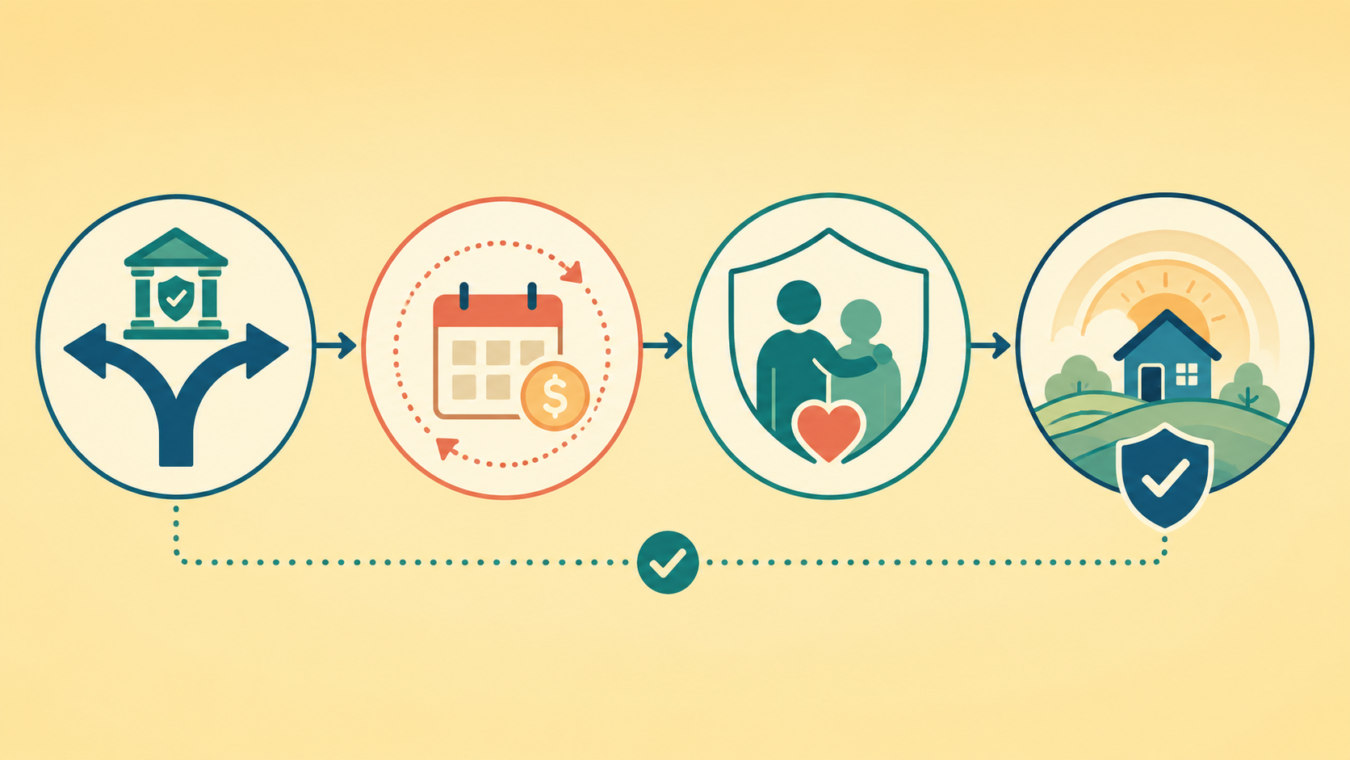
A pension can feel like one of the most secure parts of retirement.
For many retirees, it offers monthly income that may help cover housing, groceries, healthcare, utilities, and other essential needs. But pension decisions are not always simple. The option you choose can affect your monthly income, your spouse, your savings, your taxes, and your long-term financial stability.
The challenge is that some pension choices are difficult to change later.
That is why it is important to slow down, ask questions, and understand how your pension fits into the bigger retirement picture before making a final decision.
A pension can be a powerful source of stability — but only when it is reviewed clearly.
Why Pension Decisions Matter
A pension is often more than just a monthly payment.
It may affect:
- How much income you receive each month
- Whether income continues to a spouse
- How much you need to withdraw from savings
- How secure your monthly retirement paycheck feels
- How healthcare and housing costs are covered
- How your family is protected after your lifetime
- How much flexibility you have later
A higher monthly pension payment may look attractive at first. But if that option does not protect a surviving spouse, it could create financial pressure later.
The “best” option is not always the one with the largest monthly check today.
Understand the Pension Options Available
Many pension plans offer different payment choices.
Common options may include:
- A single-life payment
- A joint-and-survivor payment
- A lump-sum option
- A period-certain option
- A reduced benefit with survivor protection
- Cost-of-living adjustment options, if available
Each option can affect income differently.
Some choices may provide more monthly income now but stop when the retiree passes away. Others may provide a smaller monthly payment but continue some income to a spouse or beneficiary.
Before choosing, ask:
What happens to this income if I pass away first?
That one question can protect a household from future confusion.
Monthly Income Should Be Reviewed First
Your pension should be reviewed as part of your full monthly income picture.
Your retirement income may include:
- Social Security
- Pension payments
- Retirement account withdrawals
- Personal savings
- Annuities
- Rental income
- Part-time income
- Other recurring income
Ask yourself:
- How much reliable income will I receive each month?
- How much of my essential expenses will the pension cover?
- Will I still need savings withdrawals?
- Does this income continue for my spouse?
- Is this income enough if healthcare or housing costs increase?
A pension can create stability, but it should not be reviewed alone.
Think About Your Spouse or Loved Ones
Pension decisions can have a major impact on a spouse or loved one.
If your household depends on your pension income, you need to understand whether that income continues after death and at what percentage.
Questions to ask include:
- Would my spouse continue receiving income?
- How much would continue?
- Would the amount be enough for housing, healthcare, and essentials?
- Would Social Security income also change?
- Would savings need to fill the gap?
- Does my spouse understand the pension decision?
This conversation may feel uncomfortable, but it is an act of protection.
A strong retirement plan considers both today’s income and the surviving spouse’s future stability.
Lump Sum vs. Monthly Payment
Some pensions may offer a lump-sum option instead of monthly payments.
A lump sum can feel appealing because it gives access to a larger amount of money upfront. But it also comes with responsibility.
Before choosing a lump sum, consider:
- Will this money need to create monthly income?
- How will it be invested or protected?
- Could it be spent too quickly?
- What are the tax consequences?
- How does it affect your spouse or beneficiary?
- Will it provide enough long-term stability?
- Are you comfortable managing the money?
A monthly pension payment may provide more predictable income. A lump sum may offer flexibility. The right choice depends on your needs, discipline, family situation, health, and overall plan.
Healthcare and Housing Should Be Included
A pension decision should also be reviewed alongside healthcare and housing costs.
Healthcare may include:
- Medicare premiums
- Supplemental coverage
- Prescription drug costs
- Copays
- Deductibles
- Dental, vision, and hearing care
- Out-of-pocket medical expenses
Housing may include:
- Mortgage or rent
- Property taxes
- Insurance
- Utilities
- Repairs
- Maintenance
- Accessibility needs
Ask:
Will my pension choice help cover the costs that matter most?
A pension may feel strong today, but if housing or healthcare costs rise, your plan may need additional support.
Inflation Can Reduce Buying Power
Even a steady pension payment may feel smaller over time if expenses increase.
Groceries, utilities, insurance, healthcare, transportation, and housing costs can rise. If the pension does not include cost-of-living adjustments, the same monthly amount may buy less in the future.
Ask:
- Does my pension increase over time?
- If not, how will I handle rising costs?
- Will Social Security adjustments help enough?
- Will savings need to fill the difference?
- Can my budget handle inflation over several years?
Long-term stability means thinking beyond the first year of retirement.
Avoid Making the Decision Under Pressure
Pension decisions can feel overwhelming because they may be permanent.
Before choosing, pause and review:
- Monthly income needs
- Spouse or survivor protection
- Savings withdrawals
- Healthcare costs
- Housing expenses
- Inflation
- Taxes
- Emergency needs
- Family communication
Do not make the decision based only on the highest number or someone else’s opinion.
A good pension decision should match your real life.
Final Thoughts
Pension decisions can affect your long-term retirement stability because they shape monthly income, survivor protection, savings withdrawals, healthcare planning, housing affordability, and family peace of mind.
Before choosing a pension option, take time to understand how it fits into your full retirement picture.
At EduFuture Foundation, we believe retirement education should be clear, practical, respectful, and pressure-free. Our mission is to help older adults and families understand retirement income decisions so they can move forward with confidence, dignity, and peace of mind.
To learn more about our educational programs, seminars, and financial counseling resources, visit edufuturefoundation.org.