

How to Balance Social Security With Savings Withdrawals in Retirement
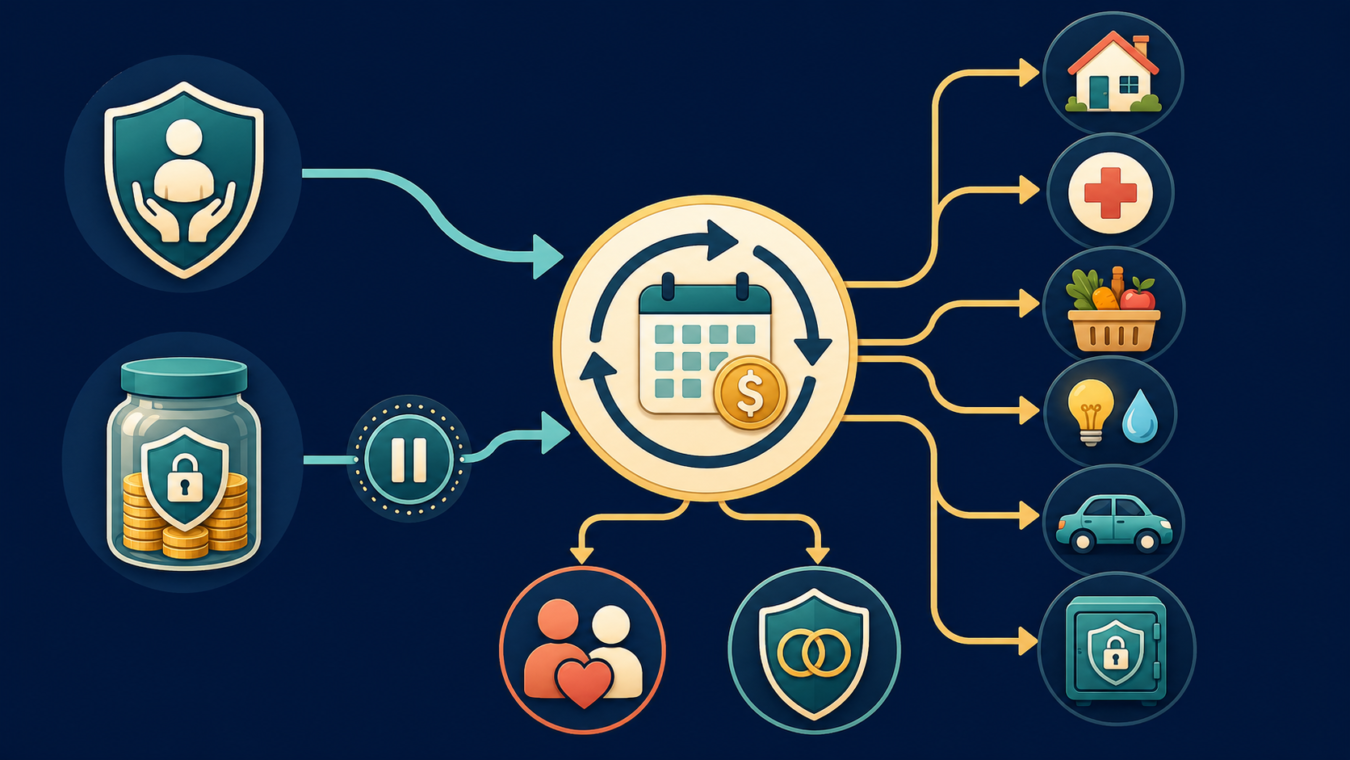
Retirement income can feel confusing when money is coming from different places.
You may have Social Security, savings, retirement accounts, a pension, or other sources of income. The challenge is not only knowing how much you have. The real challenge is understanding how these sources work together month after month.
For many retirees, Social Security provides a steady foundation. Savings can provide flexibility. But if the two are not coordinated carefully, you may withdraw too much too soon, feel uncertain about monthly expenses, or put future stability at risk.
Balancing Social Security with savings withdrawals is about creating a clearer retirement paycheck — one that supports your needs today while protecting tomorrow.
Why Social Security and Savings Should Work Together
Social Security can provide reliable monthly income, but it may not cover every expense.
Savings can help fill the gap, but savings are not unlimited.
That is why the two should not be viewed separately.
A balanced plan looks at:
- How much Social Security provides each month
- What essential expenses must be covered
- How much needs to come from savings
- Whether withdrawals are sustainable
- How healthcare and housing costs affect the plan
- What should be kept aside for emergencies
- How the plan protects a spouse or loved one
The goal is to avoid guessing.
When Social Security and savings work together, retirement income can feel more organized and predictable.
Start With Your Monthly Income Foundation
First, identify your reliable monthly income.
This may include:
- Social Security
- Pension benefits
- Annuity income
- Rental income
- Part-time work
- Other recurring income
Then ask:
How much of my essential monthly expenses does this reliable income cover?
If Social Security and other steady income cover most essentials, you may need smaller savings withdrawals. If they cover only part of your expenses, your savings may need to play a bigger role.
This gives you a clearer starting point.
Know Your Essential Expenses
Before deciding how much to withdraw from savings, review what must be paid each month.
Essential expenses may include:
- Housing
- Utilities
- Groceries
- Transportation
- Healthcare
- Prescriptions
- Insurance
- Taxes
- Debt payments
- Home maintenance
- Emergency needs
A helpful question is:
What expenses must be covered before lifestyle spending?
This matters because savings withdrawals should not be based only on what feels comfortable today. They should be connected to real monthly needs.
Use Savings to Fill the Gap Carefully
Once you know your reliable income and essential expenses, you can identify the gap.
For example:
Monthly expenses minus reliable income = amount that may need to come from savings.
This does not have to be complicated. The purpose is to understand whether your savings withdrawals are planned or reactive.
Planned withdrawals can support stability.
Reactive withdrawals may happen when bills arrive unexpectedly, spending is unclear, or healthcare and housing costs are underestimated.
A clear withdrawal plan helps you avoid using savings too quickly.
Protect Your Emergency Cushion
Savings should not only support monthly income. They should also protect you from the unexpected.
Emergencies may include:
- Medical bills
- Dental or vision expenses
- Home repairs
- Car repairs
- Insurance deductibles
- Family emergencies
- Temporary income changes
Before increasing withdrawals, ask:
Will I still have enough savings available for emergencies?
If monthly withdrawals leave little room for surprises, the plan may need review.
An emergency cushion can reduce stress and help you avoid rushed decisions later.
Watch Healthcare Costs Closely
Healthcare can affect how much you need to withdraw from savings.
Even with Medicare, you may still have costs such as:
- Premiums
- Deductibles
- Copays
- Prescription drugs
- Dental care
- Vision care
- Hearing care
- Out-of-pocket medical expenses
Ask yourself:
- Are healthcare costs increasing?
- Are prescriptions affordable?
- Do I have upcoming medical expenses?
- Should I set aside more for health-related needs?
- Could future care needs affect my savings plan?
Healthcare should be part of the income conversation from the beginning.
Housing Can Change the Balance
Housing is often one of the largest retirement expenses.
If housing costs are high, you may need to withdraw more from savings each month. If housing is more affordable, your Social Security may stretch further.
Review:
- Mortgage or rent
- Property taxes
- Insurance
- Utilities
- Maintenance
- Repairs
- Accessibility needs
- Transportation costs related to location
Sometimes the issue is not Social Security or savings alone. Sometimes the issue is whether housing costs fit the retirement income plan.
Be Careful With Lifestyle Spending
Retirement should include enjoyment, connection, and comfort.
But lifestyle spending should be reviewed separately from essential expenses.
Lifestyle spending may include:
- Dining out
- Travel
- Gifts
- Hobbies
- Entertainment
- Subscriptions
- Family support
- Personal purchases
These expenses may be meaningful, but they can also increase savings withdrawals if they are not tracked.
A balanced plan protects essentials first, then reviews lifestyle spending with honesty.
Consider Taxes and Timing
Some savings withdrawals may affect taxes or other financial areas.
Depending on the account type, withdrawals may increase taxable income or affect other planning decisions. This is why timing matters.
Before changing withdrawal amounts, consider asking:
- Which account should I use first?
- Could this withdrawal affect taxes?
- Are there required withdrawals I need to understand?
- Would a large withdrawal create unintended consequences?
- Should I speak with a tax professional?
EduFuture Foundation does not provide tax advice, but we encourage retirees to ask questions before making major withdrawal decisions.
Review the Plan Regularly
Your balance between Social Security and savings may change over time.
Review your plan if:
- Expenses increase
- Healthcare costs change
- Housing costs rise
- Savings are being used faster than expected
- A spouse passes away
- You move or downsize
- Family support needs change
- Inflation affects monthly spending
- Your goals or lifestyle change
A good retirement income plan should adjust as life changes.
Final Thoughts
Balancing Social Security with savings withdrawals is about creating clarity.
Social Security may provide a steady foundation. Savings may provide flexibility. Together, they can help support monthly expenses, healthcare, housing, lifestyle needs, emergencies, and long-term peace of mind.
The key is to avoid guessing. Review your income, expenses, savings, healthcare, housing, taxes, and family needs before deciding how much to withdraw.
At EduFuture Foundation, we believe retirement education should be clear, practical, respectful, and pressure-free. Our mission is to help older adults and families understand their options so they can make informed decisions with confidence and dignity.
To learn more about our educational programs, seminars, and financial counseling resources, visit edufuturefoundation.org.