

What Every Senior Should Know Before Sharing Personal or Financial Information
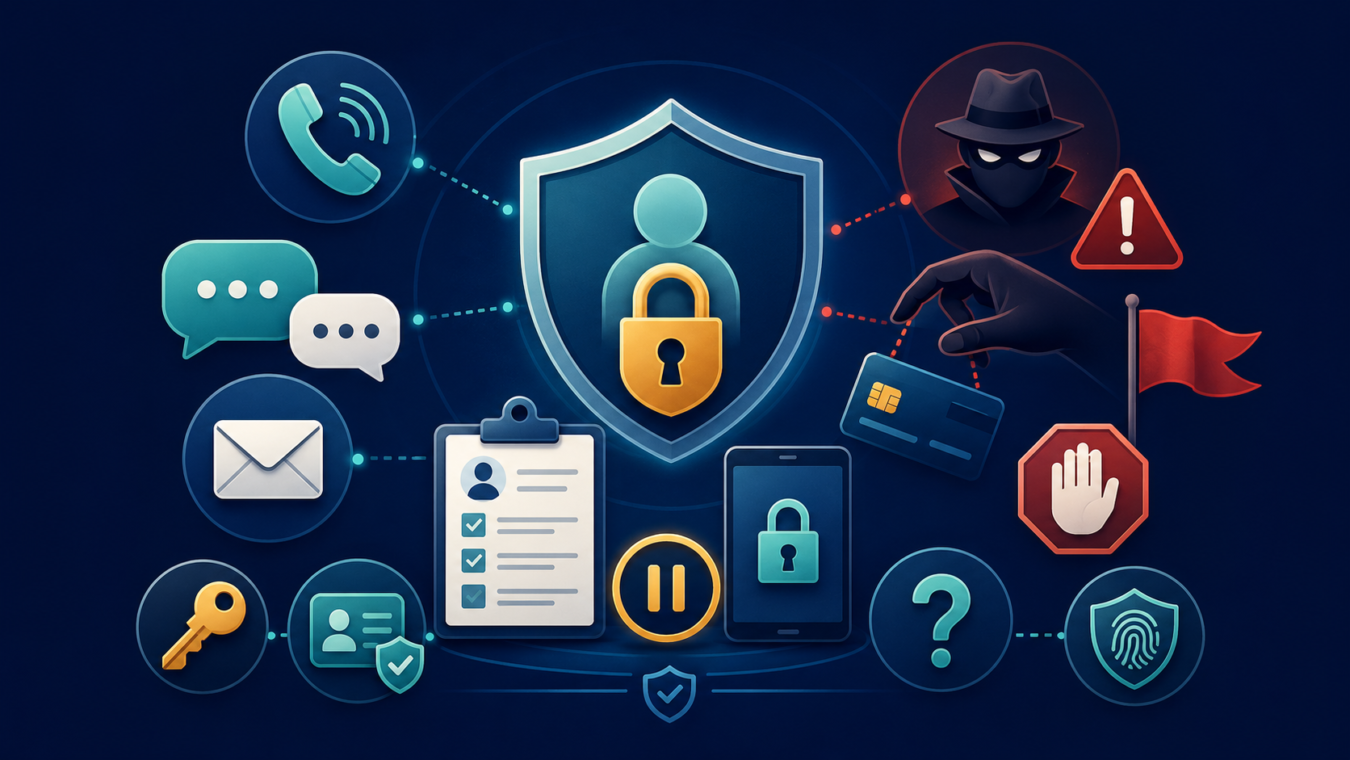
Sharing personal or financial information can feel routine.
A form asks for your Social Security number. A caller asks to “verify” your Medicare details. An email says your account needs attention. A text message includes a link. Someone offers help with benefits, insurance, investments, debt, or retirement income.
Some requests may be legitimate.
But others may put your privacy, money, identity, healthcare coverage, or retirement security at risk.
After 65, protecting your information is an important part of protecting your independence. You do not need to live in fear, but you do need to know when to slow down, ask questions, and verify who is asking.
Before sharing anything personal or financial, take a pause.
A few careful steps can help prevent confusion, pressure, and costly mistakes.
Why Seniors Should Be Careful With Personal Information
Your personal information can be used to access accounts, open new accounts, change benefits, file claims, or create identity problems.
Sensitive information may include:
- Social Security number
- Medicare number
- Bank account information
- Credit card details
- Retirement account information
- Insurance policy numbers
- Online passwords
- Email access
- Date of birth
- Home address
- Driver’s license number
- Copies of identification
- Medical information
You may be asked for this information by doctors, insurance companies, banks, government agencies, financial professionals, or service providers.
The key is knowing when the request is appropriate — and when it should make you pause.
Start With One Question: Who Is Asking?
Before sharing information, identify the person or organization.
Ask:
- Who are you?
- What company or agency do you represent?
- Why do you need this information?
- How will it be used?
- Is this required or optional?
- Can I call the official number and confirm?
- Can you send the request in writing?
A legitimate organization should be willing to explain clearly.
If someone becomes impatient, aggressive, or offended because you ask questions, that is a warning sign.
Be Careful With Unexpected Calls
Unexpected phone calls can be risky.
Be cautious if someone calls and asks for:
- Social Security number
- Medicare number
- Bank account information
- Credit card information
- Passwords or security codes
- Retirement account details
- Payment by gift card, wire transfer, or cryptocurrency
- Remote access to your phone or computer
Even if the caller sounds professional, do not assume the call is safe.
A simple rule is:
If you did not start the call, do not share sensitive information.
Hang up and call the organization using a number you already trust, such as the number on your card, statement, or official website.
Do Not Click Links Too Quickly
Text messages and emails can look real.
They may claim to be from a bank, insurance company, delivery service, government agency, Medicare-related organization, or financial provider.
Pause before clicking links.
Be careful if the message says:
- Your account will be closed
- Your benefits will stop
- You must verify information immediately
- You won a prize
- You owe money
- A payment failed
- Someone accessed your account
- You need to update your password now
Urgency is often used to make people act without thinking.
Instead of clicking the link, go directly to the official website or call the organization using a verified number.
Protect Your Medicare and Healthcare Information
Your Medicare number and healthcare information should be treated carefully.
Someone may use healthcare information to submit false claims, change coverage, or access personal details.
Before sharing Medicare or insurance information, ask:
- Is this person connected to my doctor, plan, or official provider?
- Did I request this call or appointment?
- Why is this information needed?
- Will changing anything affect my coverage?
- Am I being pressured to switch plans or sign up for something?
- Can I review this before making a decision?
Healthcare decisions should be explained calmly, not rushed.
Be Careful With “Free” Offers
Many seniors are approached with offers that sound helpful.
These may include:
- Free benefits reviews
- Free medical equipment
- Free gift cards
- Free insurance reviews
- Free investment consultations
- Free debt help
- Free government benefit assistance
Some programs may be legitimate, but “free” should not mean careless.
Ask:
- What information do you need from me?
- Why do you need it?
- Who will receive my information?
- Are you selling something?
- Will this affect my current benefits or coverage?
- What happens after I share this information?
If the offer requires sensitive information too early, pause.
Never Share Passwords or Security Codes
Passwords and verification codes are private.
Do not share:
- Online banking passwords
- Email passwords
- Retirement account passwords
- One-time verification codes
- Security questions
- PIN numbers
- Remote access codes
A real bank, government agency, or trusted provider should not ask for your password.
If someone asks for a code sent to your phone, that may mean they are trying to access your account.
Review Who You Trust
It can help to choose one or two trusted people you can call before sharing sensitive information.
This may be:
- An adult child
- A spouse or partner
- A trusted friend
- A financial professional
- A legal professional
- A nonprofit counselor or educator
- A caregiver you trust
Tell yourself:
“I do not have to decide while someone is waiting on the phone.”
You have the right to pause and verify.
Watch for Emotional Pressure
Scammers and high-pressure sellers often use emotion.
They may try to make you feel:
- Afraid
- Embarrassed
- Guilty
- Excited
- Rushed
- Confused
- Dependent
- Worried about losing benefits
A respectful request allows time.
A pressure-based request tries to remove your ability to think clearly.
What to Do Before Sharing Information
Before giving personal or financial details, take these steps:
- Pause before responding
- Ask who is requesting the information
- Confirm why it is needed
- Verify the organization independently
- Avoid clicking links from unexpected messages
- Never share passwords or security codes
- Ask for written details
- Talk to someone you trust
- Keep records of what you shared and when
- Say no if something feels wrong
You do not need to be rude.
You can simply say:
“I do not share personal information until I verify the request.”
Final Thoughts
Every senior should know that personal and financial information deserves protection.
Before sharing anything, ask who is requesting it, why they need it, how it will be used, and whether you can verify the request independently.
Protect your Social Security number, Medicare information, bank details, passwords, retirement accounts, insurance information, and identity documents.
At EduFuture Foundation, we believe financial education should be simple, respectful, practical, and pressure-free. Our mission is to help older adults and families make informed decisions with dignity, confidence, and peace of mind.
To learn more about our educational programs, seminars, and financial counseling resources, visit edufuturefoundation.org.